
Homelessness is not solved by simply placing a roof over someone’s head. It is solved when we create a society that respects human dignity, promotes equal opportunity, safeguards public health and safety, and sustains our shared environment. Housing is foundational—but lasting solutions must harmonize the social, economic, and environmental dimensions of our communities.
We are facing an urgent crisis in affordable housing. If we are to respond effectively, our solutions must be:
- Ecologically viable – sustainable, responsible, and community-centered
- Socially equitable – rooted in dignity, fairness, and access
- Economically feasible – structured for long-term stability and replication
And we must begin with a simple but powerful truth: the faces of the unhoused are as varied as humanity itself. They are you and me.
The Hidden Reality of Women Veterans

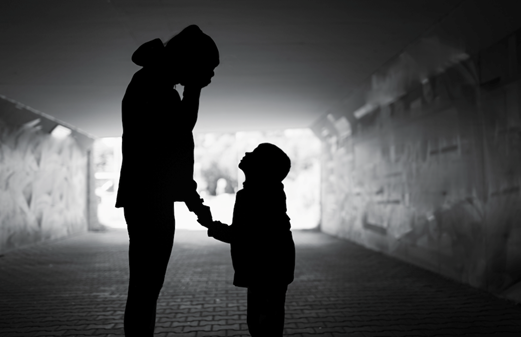
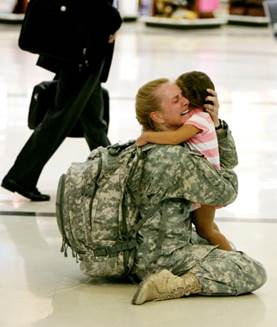
One of the greatest challenges in addressing homelessness—particularly among veterans—is visibility.
Homelessness is not a topic most people discuss openly. Yet we see the evidence daily on our streets and in our neighborhoods. The silence surrounding the issue has made it especially difficult to bring attention to homeless women veterans, many of whom have children.
Our informal, nonscientific polling revealed something profound:
People care deeply about our veterans.
But most have no idea that women veterans—and mothers with children—are included in the current homeless numbers.
Some of these women have already experienced the heartbreak of losing custody of their children to the foster care system. Yet in many cases, reunification is possible. With stability, support, and safe housing, families can be restored.
This is not just about housing.
It is about restoring identity, self-esteem, family bonds, and hope.
Why Transitional Housing Matters
Transitional Housing initiatives provide veterans with:
- A safe and stable living environment
- Time and structure to secure long-term leases or purchase homes
- Access to case management and supportive services
- A path toward employment, healing, and reintegration
Unfortunately, transitional housing options for women veterans—especially those with children—are few in number. The need is growing, yet resources remain limited.
If we are proactive now, we can build systems capable of handling what we already see on the horizon. Waiting will only increase human and societal costs.
A Call to the Entire Community
Now is the opportune time for:
- Churches and ministries
- Businesses and entrepreneurs
- Entertainers and athletes
- Students and universities
- Entire family units
Many of our veterans have faithfully supported athletes, entertainers, and community leaders for years. Yet rarely are these influencers approached to help address veteran homelessness directly. That must change.
We have begun. And we will continue.
This effort is not about charity alone—it is about shared responsibility and collective restoration.
Building a Sustainable Model
Solving homelessness requires more than emergency relief. It requires a model that can be:
- Duplicated in other communities
- Supported by diverse partnerships
- Integrated with public health and safety goals
- Designed with environmental sustainability in mind
When we align housing stability with workforce development, family reunification, mental health support, and community engagement, we create more than shelter—we create renewed purpose and belonging.
Moving from Awareness to Action
The difficulty has never been whether people care.
The difficulty has been awareness—and engagement.
Homelessness is not someone else’s issue. It is a reflection of our collective systems and shared future. When we invest in restoring veterans—especially women veterans with children—we are investing in stronger neighborhoods, safer communities, and healthier generations.
Now is our time to be proactive.
Now is our time to build.
Now is our time to ensure that those who served our nation are not left unseen.
Because homelessness is not just about housing.
It is about dignity.
It is about opportunity.
It is about restoring what was never meant to be lost.